

The Conversation That Never Ends
It starts with a simple question:
“What was the feedback from that client last Tuesday?”
The AI agent pauses. It can generate code, draft professional emails, and analyze complex datasets in seconds — but it has zero recollection of last Tuesday’s conversation. It doesn’t know the client’s preferences, past concerns, or decisions we already made.
This is agent amnesia — and it’s one of the biggest hidden costs when using AI in real businesses.
Every interaction with a standard large language model feels like starting from scratch. I’m constantly re-feeding the same context, spreadsheets, meeting notes, and instructions. It’s like hiring a world-class consultant who shows up every morning with a completely wiped memory.
The models aren’t the problem. The infrastructure underneath them is.
Why I Had to Build It Myself
Running TrendAI, HappyHome, and MaxLearn simultaneously made the limitation painfully obvious. I needed agents with persistent memory across sessions, secure access to tools and data, and strict operational boundaries.
I evaluated many off-the-shelf agent builders and orchestration tools, but none delivered the unified, business-aware operating system a solo founder actually needs.
So I built it myself. I call it TOS — The TrendAI Operating System.
The Mental Model: Five Layers of Intelligence
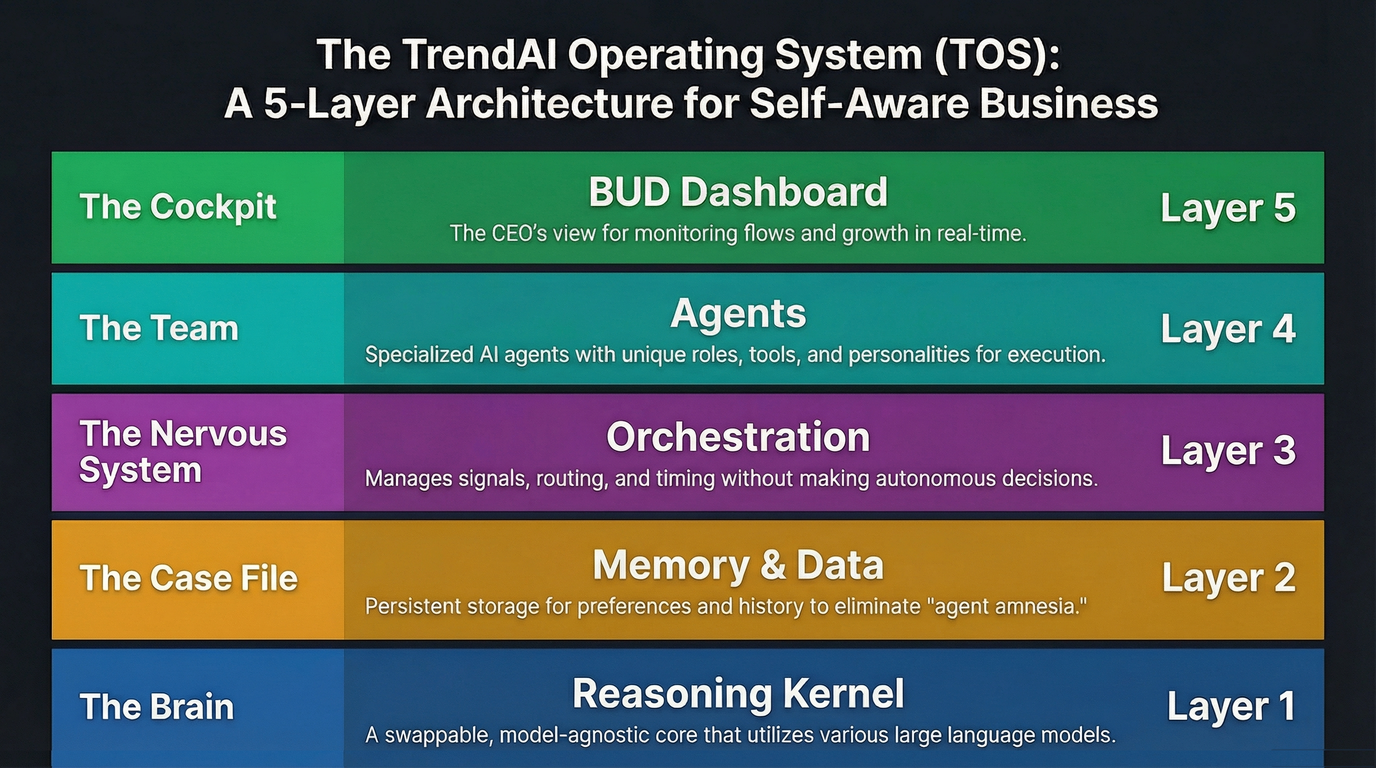
I designed TOS as a proper layered architecture with clear separation of concerns. Here’s how it works:
Layer 1: The Reasoning Kernel (The Brain)
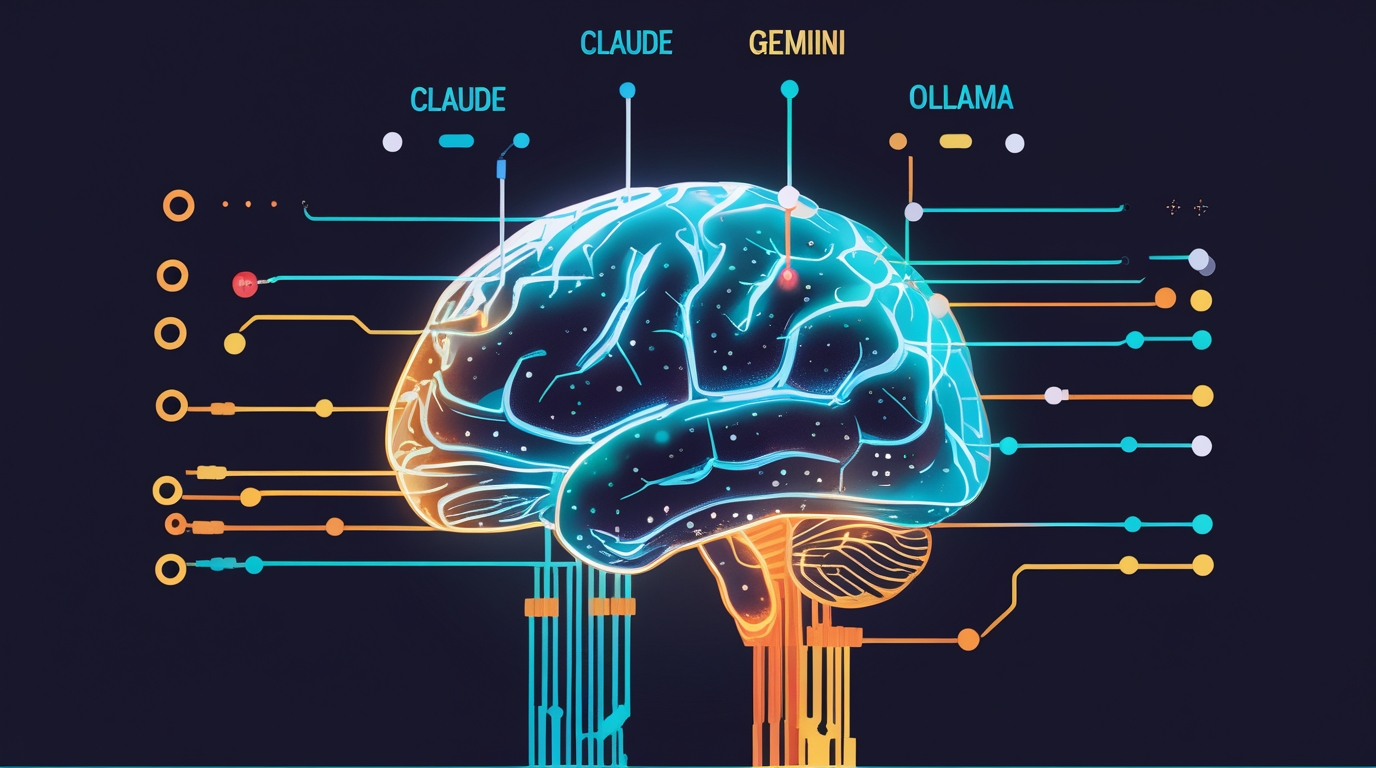
TOS is fully model-agnostic. A custom FastAPI abstraction layer checks the `tos_runtime_registry` and dynamically routes tasks to the best model — Claude for deep reasoning, Gemini Flash for speed and cost-efficiency, or a local Ollama instance for privacy-sensitive work. The rest of the system stays unchanged when swapping models.
Layer 2: Memory & Data (The Case File)
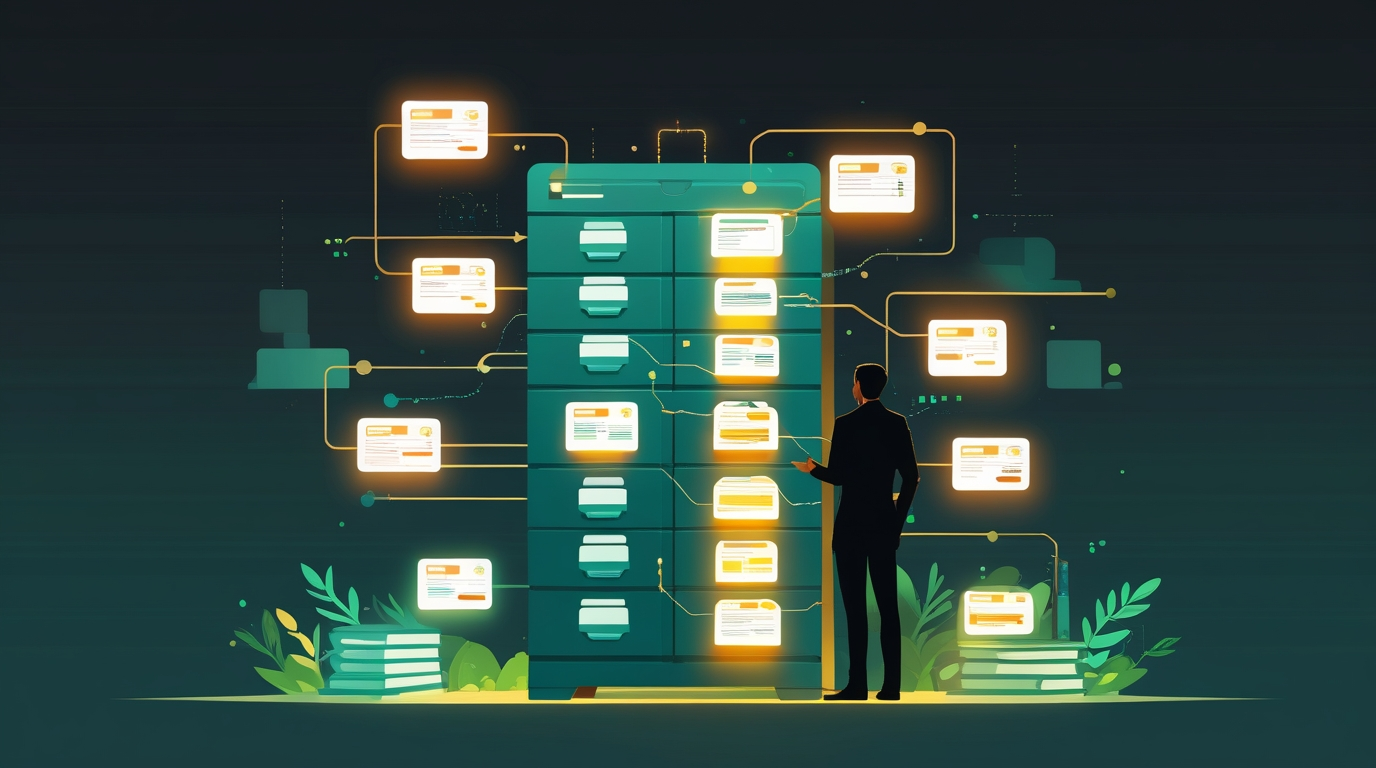
This layer eliminates agent amnesia. We use Supabase + pgvector as the central memory store. Agents perform a hybrid search (semantic + filtered) using `nomic-embed-text` embeddings to retrieve relevant history, client notes, and decisions from the living case file. Row Level Security (RLS) is enforced at the database level, ensuring agents can only access data they are explicitly authorized for.
Layer 3: Orchestration (The Nervous System)
This layer handles coordination and timing. We use n8n for workflow definitions, but state management is done through a custom State Machine Queue pattern. Every complex workflow is broken into discrete, idempotent states with resource locking (`locked_at`, `locked_by`). This prevents race conditions when multiple agents touch shared resources and allows clean retries from the last successful state.

Layer 4: Agents (The Specialized Team)
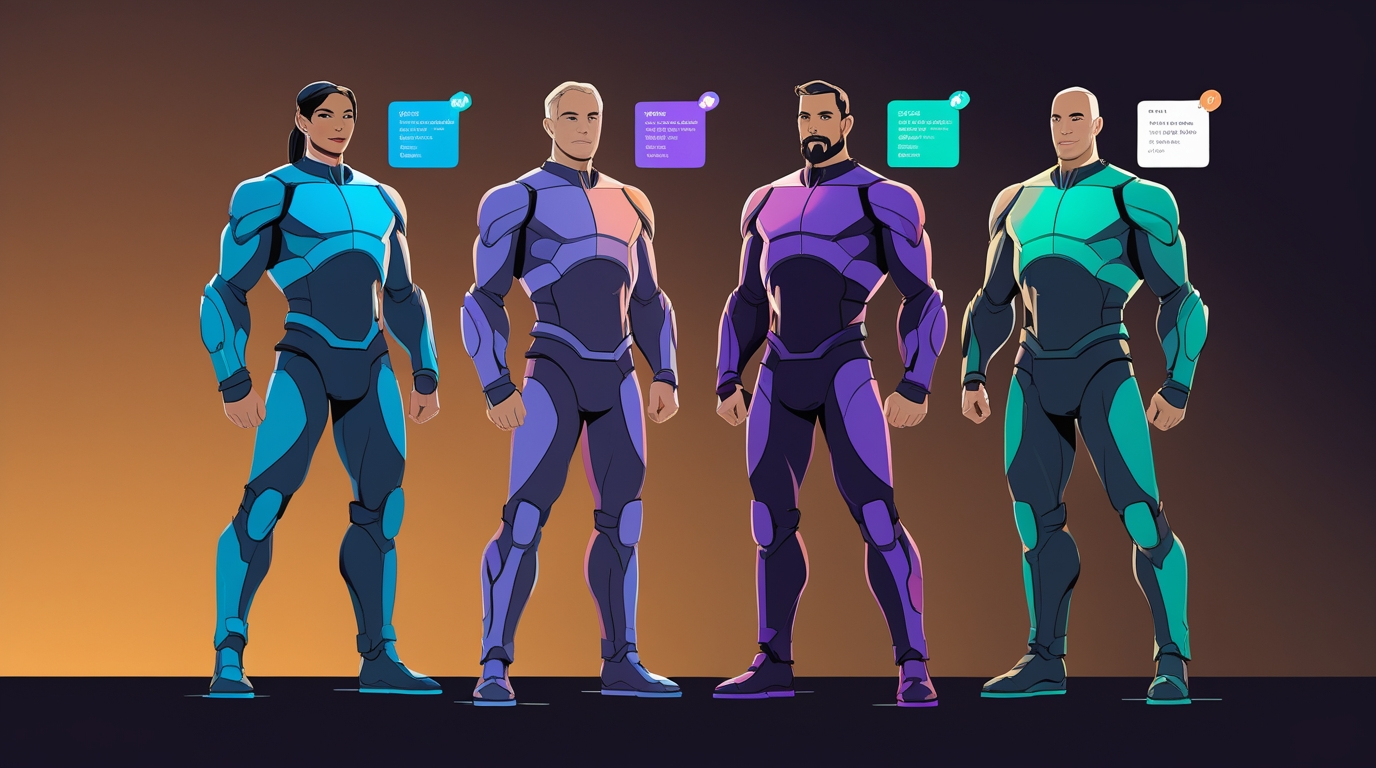
I run a team of specialized agents (Trinity for research, Neo for execution, Jobs for strategy, Woz for technical work, etc.). Each agent is defined in a canonical `AGENT.yaml` file that declares its role, system prompt template, available tools, and permission boundaries. A custom Python adapter translates these definitions into runtime-specific instructions while strictly enforcing least-privilege access.
Layer 5: The BUD Dashboard (The Cockpit)
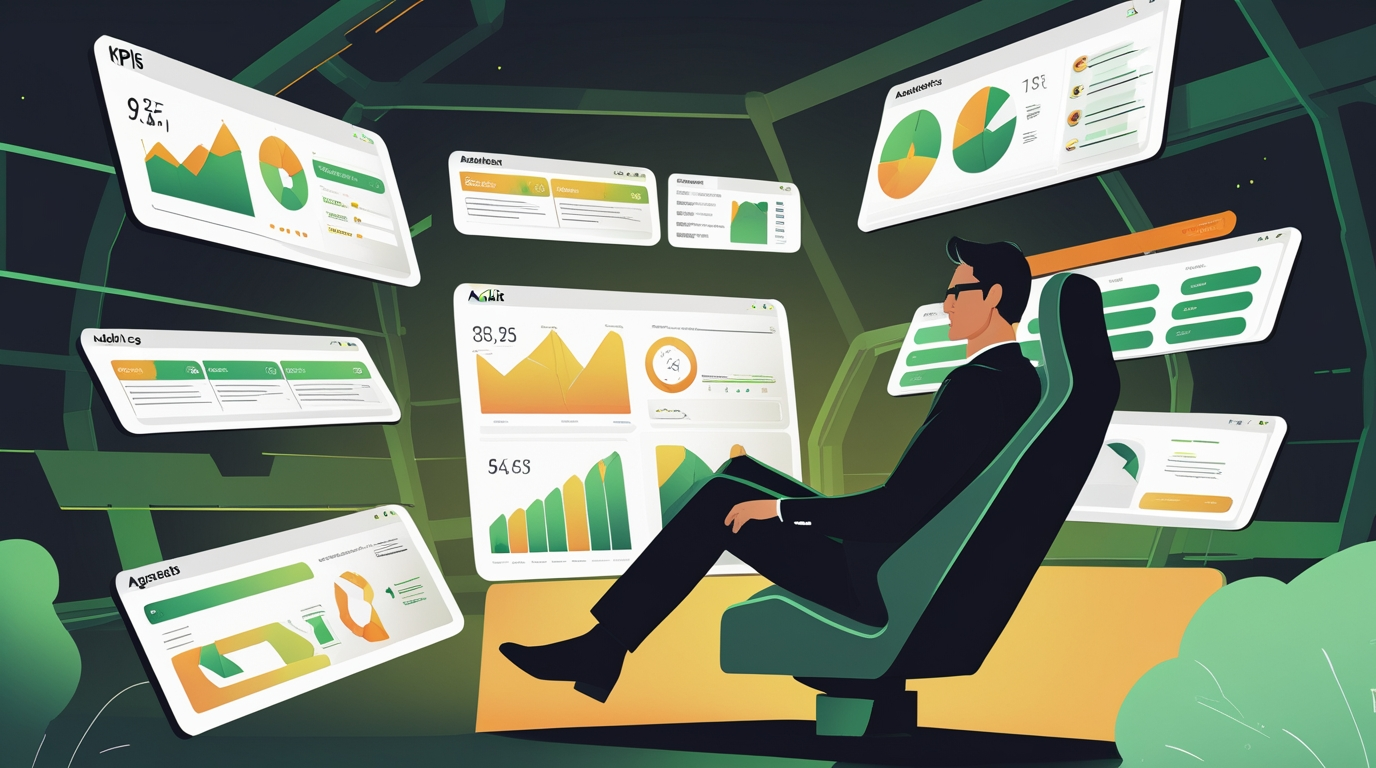
Built on Next.js, this is my control surface. It provides five zoom levels — from high-level KPI scorecards down to raw audit logs in the `tos_agent_task_log` table, showing exactly which skills were used, which model processed the task, and what it cost. It gives me CEO-level oversight with engineer-level visibility.
Built for Safety and Scale
Safety is foundational, not an afterthought. We implement a three-layer defense: declared permissions in AGENT.yaml, runtime enforcement during execution, and comprehensive audit logging. All internal traffic runs over a private Tailscale mesh network with no public ports exposed. Secrets are stored in a hardware-protected OCI Vault, ensuring credentials never appear in code or logs.
The Real Shift
The biggest change isn’t any single technology. It’s how I now spend my time.
I’ve moved from constantly babysitting agents and repeating context to directing a specialized team and refining the architecture.
I am no longer the primary engine of the business.
I am becoming the architect of the machine that drives it.
This is the true promise of a well-designed AI Operating System.
What’s the one thing you’d want your AI agent to permanently remember about your business?
Drop your thoughts in the comments 👇
Article 3 of 4 — “Building My AI OS” Series
TrendAI Operating System — Built Live & in Public